



01 · Rails
Fintech
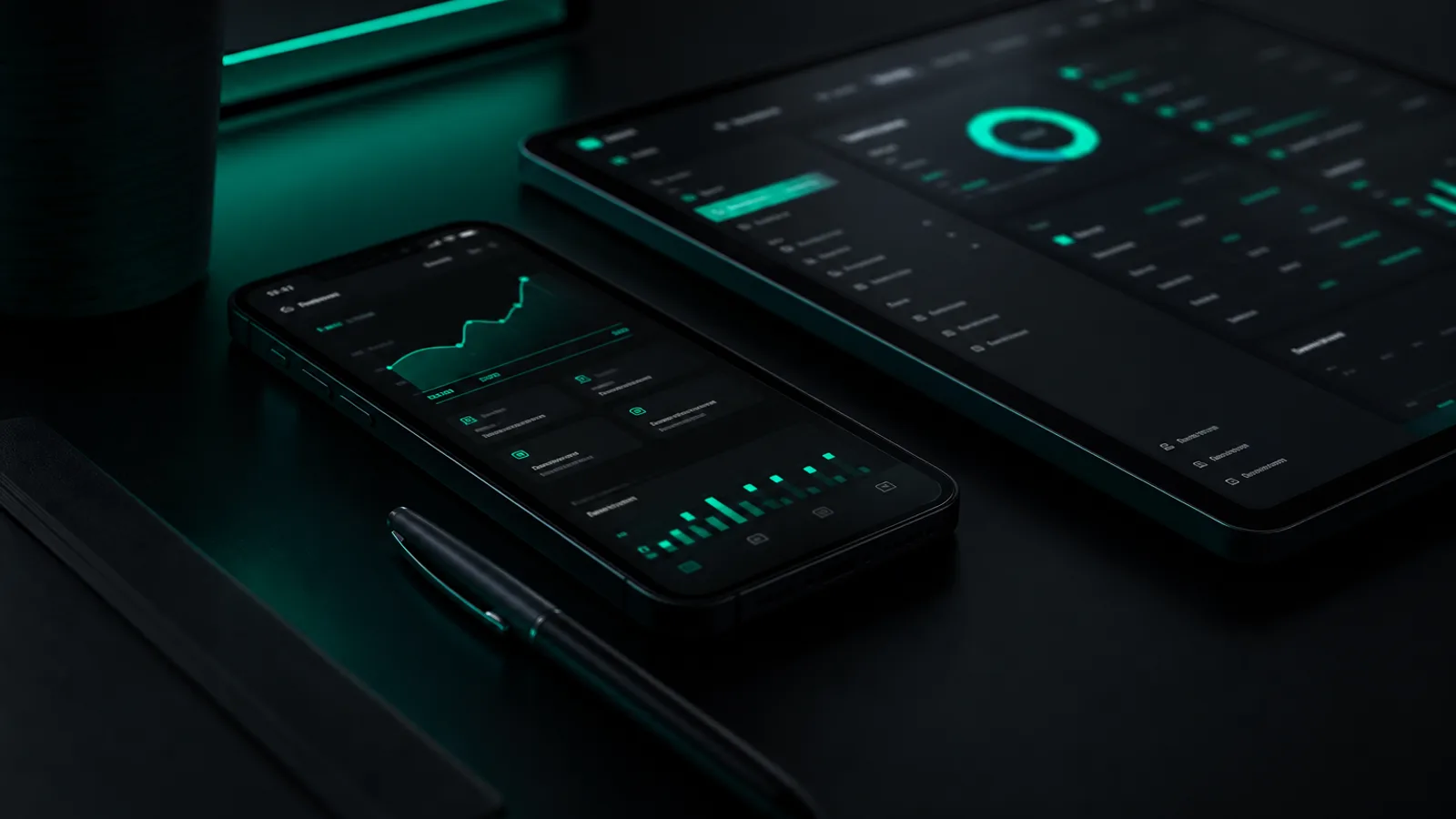
Clear, dependable financial product experiences for teams operating in a high-trust environment.
- Digital Payments
- Financial Platforms
- Risk Workflows

SolveMotive
From motive to operable release
Software Development · Staff Augmentation
Custom software that ships.
How we operate
Three commitments that stay true when delivery pressure is high.
Delivery outcomes
Anonymized patterns from recent builds—specific enough to judge fit, without inventing client logos. Open a related product concept to go deeper.
Fintech ops
Multi-rail payments console with compliance checkpoints and role-gated actions. First operable demo in three weeks; full repo handoff.
View product conceptCare coordination
Referral and intake board nurses could run on day one—shared statuses, fewer chase-downs, ownership left in the client repo.
View product conceptPractices
From discovery through release. Pick a focused workstream or combine disciplines into one accountable team.

01
Custom software shaped around your workflows. Clean, maintainable code that grows with the business you already run.

02
Websites and web applications designed around performance, search visibility, accessibility, and clear conversion paths.
03
Native and cross-platform mobile experiences shaped around useful workflows, platform requirements, and long-term ownership.

04
We apply AI where it adds value, including smart recommendations, computer vision, natural language processing, and workflow automation.

05
Decentralized applications, smart contracts, and token economies with architecture your team can operate after handoff.
Already know the practice you need? Pick a time—leave with a first-release boundary.
Book a scoping callDelivery patterns
Representative delivery patterns for complex workflows—how we shape scope, interfaces, and handoff before a named engagement.
Blockchain
A product concept connecting multi-chain lending logic with a clear borrower and lender dashboard.
Mobile App
A connected customer, courier, and restaurant platform for coordinating on-demand ordering and delivery.
AI / Edtech
A learning platform concept using progress signals to support personalized lesson paths and educator insight.
Healthtech
A care-team and patient portal concept for scheduling, task handoffs, secure messaging, and progress visibility.
Logistics
A control-tower concept for dispatch, live shipment status, exception alerts, and warehouse-to-fleet coordination.
Delivery path
Four phases with artifacts you can point to: what was decided, what ships next, and who owns the handoff.
Step 01 · Discovery
Map users, workflows, constraints, and the decisions that must be true before build begins.
You get · Discovery brief, success criteria, and risk list
Step 02 · Design
Prototype the critical flows and settle architecture so implementation is not guessing.
You get · Wireframes or prototypes plus technical direction
Step 03 · Build
Ship in short cycles with demos you can steer. Scope changes stay explicit and written.
You get · Working increments, demo notes, and open decisions
Step 04 · Handoff
Release with QA, monitoring, and a pack your team can operate and extend.
You get · Deployed release, runbooks, and support plan
Why SolveMotive
Each engagement follows the product, users, and constraints you already live with. Weekly demos keep decisions visible.
Weekly demos, written trade-offs, and clear owners so progress never depends on a single opaque status update.
Source code, documentation, and operational handoff are defined in the agreement, not left as an afterthought.
Architecture and UX follow the workflows, constraints, and risk boundaries of the industry you operate in.
Written into the agreement
See how we ship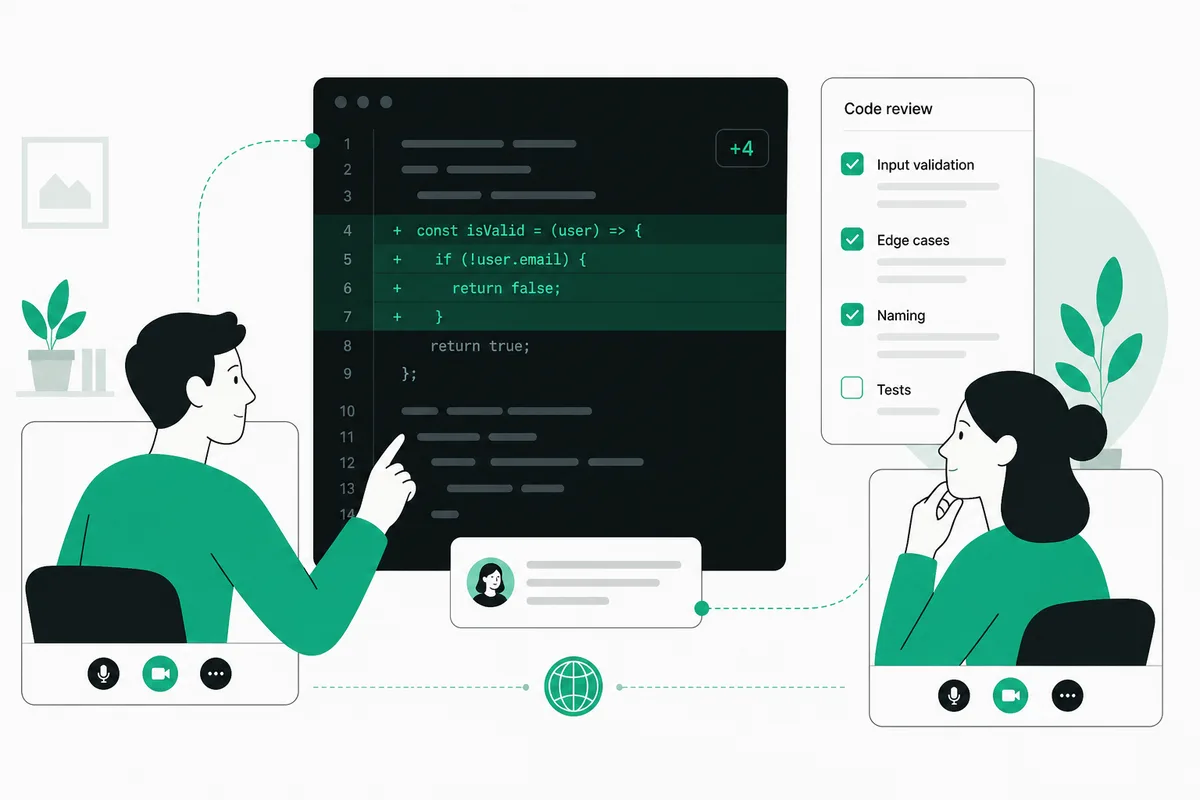
Why we exist
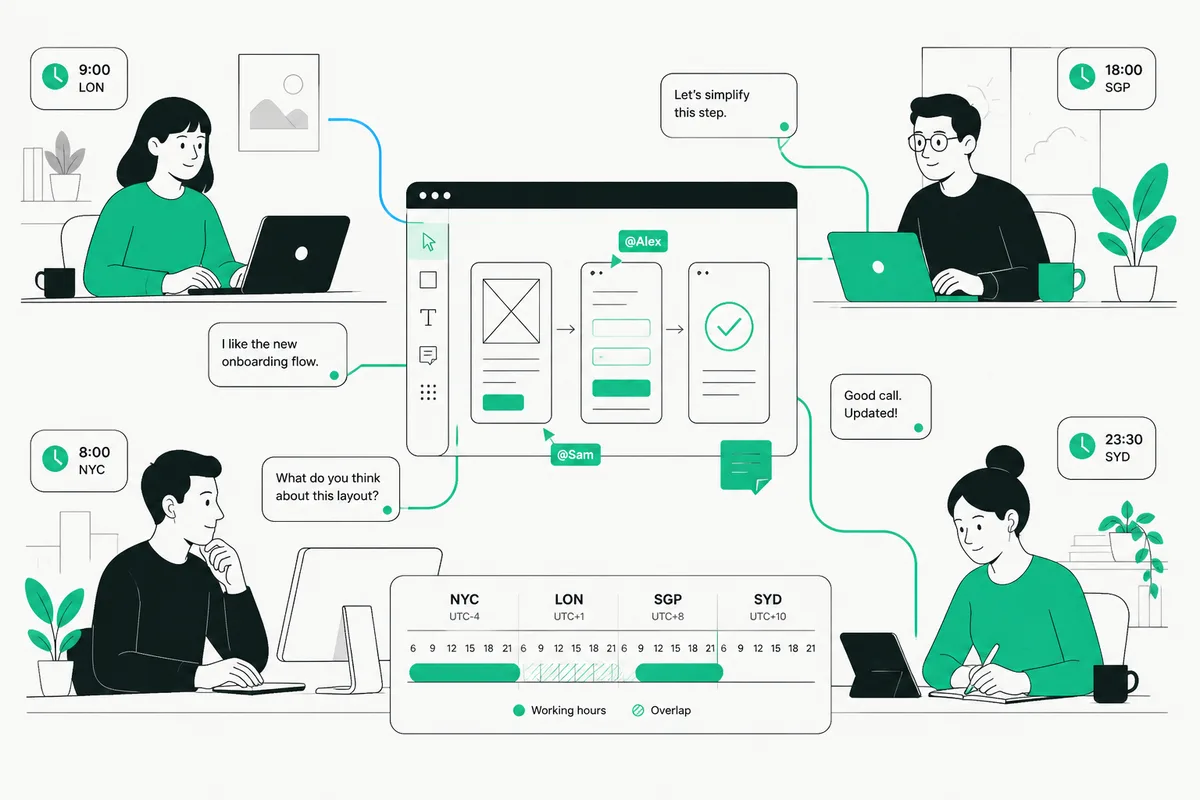
We are based in Pakistan and work with teams worldwide. The work is human: weekly demos, honest trade-offs, and handoffs the next person can run—not glossy decks that expire after kickoff.
Our Mission
To help businesses and the people behind them turn their motive into technology that simplifies the complex, accelerates growth, and creates lasting value.
Our Vision
To become a globally trusted technology partner who solves complex business challenges by putting people first, starting with your motive, and backing it with engineering excellence.
Our tools
Common questions
Cost, timelines, hiring, AI features, and how we work with teams that already have a codebase.
Most first releases land as a scoped project or a dedicated squad—not an open-ended retainer. After a short discovery call we share an itemized proposal with the assumptions that move cost. Compare engagement shapes on the Compare models page, or send a brief and we will recommend a model.
A constrained first release often ships in about 6–12 weeks once scope is locked—many teams see an operable demo in 2–4 weeks. Timelines stretch when integrations, compliance, or decision latency grow. We set milestones after discovery, not before the problem is clear.
Yes. Hire Talent covers dedicated developers, embedded pods, and staff augmentation when you need capacity inside your rituals and backlog—not a fixed project deliverable. Share the stack and what success looks like in the first month and we will recommend hire, dedicated team, or augmentation.
Yes. We ship applied AI—LLM features, agents, ranking, and ML workflows—tied to a real product surface, not slide-deck demos. Scope starts with the decision or workflow the model should improve, then the thinnest operable slice.
Yes. We help early-stage teams frame an initial release, evaluate technical options, and separate essential learning goals from features that can wait.
Launch support, warranty terms, maintenance, and future development are defined in the project agreement. Ongoing support can be scoped separately when the product requires it.
Yes. An engagement can be structured around an existing team or codebase after we review the architecture, delivery process, access requirements, and responsibilities.
Our core product stack includes React/Next.js, Flutter, Node.js, Python, and Solidity, and we stay tool-agnostic when a better fit exists. For fintech and Web3 work, see the Technologies catalog for KYC, AML, chains, payments, and backend security tooling—and when each is a good fit.
Still have a specific question about your product? Book a scoping call →
From our desk
Practical writing on MVPs, delivery models, and engineering choices we see in the field.

Concrete metrics and SLIs for cryptographic health in fintech systems—so key age, algorithm coverage, failed auth, and rotation drills show up beside uptime.

A practical playbook for when a key, certificate, or algorithm is burned: contain, dual-run, rotate, and verify—so recovery is measured in days because you drilled it.


